
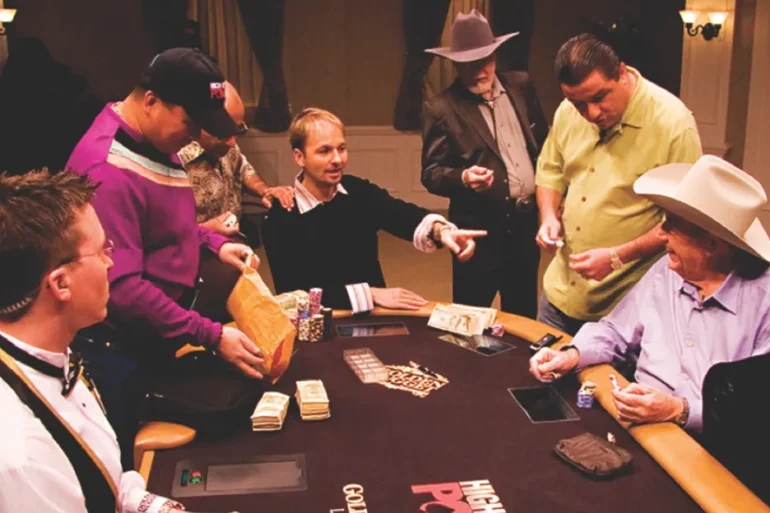
Poker is not merely a game of luck; it is a battle of wits, psychology, and strategy. While casual players focus on cards, advanced players dominate through understanding opponent tendencies, probability, and in-game dynamics. This article delves deep into advanced poker techniques, highlighting both psychological and analytical strategies to elevate your game to a professional level.
The Psychology of High-Stakes Poker
At high-stakes tables, poker becomes as much about the mind as it is about the cards. Understanding the psychological aspects of poker gives players a significant advantage.
Reading Opponents Beyond the Table
Skilled players observe more than betting patterns. They consider:
-
Micro-expressions: Tiny facial cues can reveal stress or confidence, even in online settings through voice chat or timing patterns.
-
Betting rhythm: How quickly or slowly a player bets can indicate the strength of their hand.
-
Tilt triggers: Identifying what pushes an opponent into emotional decision-making allows for exploitation.
Using Your Table Image
Your table image—the perception others have of your playstyle—can be a powerful weapon.
-
Aggressive image: Encourages cautious opponents to fold more often, letting you steal pots.
-
Passive image: Allows you to execute surprise bluffs or value bets with minimal resistance.
-
Balanced image: Mixing strategies keeps opponents guessing and prevents pattern recognition.
Advanced Probability and Expected Value Analysis
Success in poker requires more than intuition—it demands mathematical rigor. Mastering concepts like expected value (EV) and pot odds is critical.
Understanding Pot Odds and Implied Odds
-
Pot odds: The ratio of the current pot size to the cost of a contemplated call. Correctly calculating pot odds helps determine whether a call is profitable in the long term.
-
Implied odds: The potential future earnings if you hit your draw. These odds consider not just the current pot but expected bets from opponents.
Exploiting EV Discrepancies
Every decision in poker has an expected value, representing the average outcome over time. Advanced players focus on:
-
Maximizing positive EV: Making bets or calls where potential gains outweigh risks.
-
Minimizing negative EV: Folding situations where the expected loss is greater than the potential gain.
-
Spotting opponent EV mistakes: Taking advantage of weaker players who consistently make low EV decisions.
Positional Dominance and Table Dynamics
Position in poker isn’t just about where you sit; it dictates control over the hand and influences strategic options.
Importance of Late Position
Players acting last have a significant advantage:
-
They observe all opponent actions before committing.
-
Late-position aggression allows for stealing blinds and manipulating pot size.
-
Control of the table flow increases the ability to trap opponents into making mistakes.
Adjusting Strategies Based on Table Dynamics
-
Loose tables: Require tighter starting hand selection and patience.
-
Tight tables: Encourage more aggressive play to capitalize on folding tendencies.
-
Aggressive tables: Necessitate careful hand reading and defensive betting strategies.
Advanced Bluffing Techniques
Bluffing is an art. For seasoned players, it’s a calculated weapon, not a gamble.
Semi-Bluffs and Multi-Street Play
-
Semi-bluffs: Betting with a drawing hand to gain fold equity while retaining potential to improve to the best hand.
-
Multi-street bluffing: Executing bluffs over multiple betting rounds, forcing opponents to fold marginal hands.
Contextual Bluffs
The most effective bluffs consider:
-
Opponent tendencies: Targeting players likely to fold under pressure.
-
Pot size and table image: Larger pots demand more credible bluffs.
-
Storytelling: Bluff sequences must tell a believable story about the hand’s development.
Exploiting Advanced Opponent Patterns
Top-tier players focus on identifying patterns in betting, timing, and decision-making.
Profiling Opponents
-
Maniac: Overly aggressive players often fold to disciplined trap plays.
-
Calling station: Frequent callers can be exploited with value bets rather than bluffs.
-
Tight-passive: Vulnerable to strategic pressure and semi-bluffs.
Counter-Strategies
-
Adjust aggression: Use controlled aggression against passive opponents.
-
Trap hands: Allow aggressive opponents to overcommit while building pot value.
-
Exploit predictable behaviors: Observe and anticipate decisions based on prior actions.
Incorporating Technology and Data Analysis
Modern poker is increasingly influenced by technology and data-driven insights.
Tracking Software and Statistical Tools
-
Hand history analysis: Review previous sessions to identify leaks and optimize strategies.
-
Equity calculators: Determine probabilities of winning given current hand and community cards.
-
Opponent profiling databases: Track frequent opponents to exploit tendencies over time.
Online vs. Live Play Adjustments
-
Timing tells online: Millisecond differences in betting can reveal hand strength.
-
Physical tells in live games: Eye movement, breathing patterns, and chip handling provide additional cues.
-
Hybrid strategy: Combining statistical analysis with psychological reads creates a formidable edge.
Bankroll Management for Consistent Success
Even the best strategies fail without proper bankroll management.
Setting Risk Parameters
-
Allocate funds for each session to avoid overexposure.
-
Adjust stakes based on variance and expected risk.
-
Maintain discipline to prevent emotional decision-making during downswings.
Long-Term Profit Optimization
-
Focus on high EV plays consistently rather than short-term wins.
-
Review sessions to identify profitable strategies and mistakes.
-
Avoid chasing losses, which can destroy both bankroll and mental focus.
Continuous Skill Development
Poker is an ever-evolving game. Professionals maintain an edge through constant learning.
-
Review hand histories regularly to identify patterns and missed opportunities.
-
Study opponent behavior to anticipate strategic shifts.
-
Experiment with unconventional strategies in controlled settings to expand tactical versatility.
-
Engage in poker communities and coaching sessions to gain new perspectives.
Conclusion
Mastering poker at an advanced level requires more than card knowledge; it demands a combination of psychology, probability, data analysis, and strategic foresight. By incorporating these advanced strategies, players can consistently gain an edge over opponents, regardless of their skill level. Success is a product of observation, adaptation, and disciplined execution.
Frequently Asked Questions (FAQ)
1. How does understanding opponent psychology improve my poker game?
Psychology allows you to predict behaviors, exploit tendencies, and make informed decisions beyond what the cards dictate.
2. Why are pot odds and expected value critical for advanced play?
They quantify risk and reward, ensuring decisions maximize long-term profitability rather than relying on luck.
3. Can table position really impact profitability?
Absolutely. Acting later allows players to control hand flow, apply pressure, and make better-informed decisions.
4. How do semi-bluffs differ from regular bluffs?
Semi-bluffs involve betting on a hand with potential to improve, providing dual paths to win: opponent folds or hand improves.
5. What tools can professional players use to analyze opponents?
Hand history review software, equity calculators, and opponent profiling databases help identify weaknesses and optimize strategy.
6. Why is bankroll management considered essential for professionals?
Proper management protects against variance, prevents emotional play, and ensures long-term sustainability in high-stakes games.
7. How can continuous skill development give a competitive edge?
Regular analysis, strategy refinement, and exposure to new tactics keep players ahead of evolving trends and opponent adjustments.
