
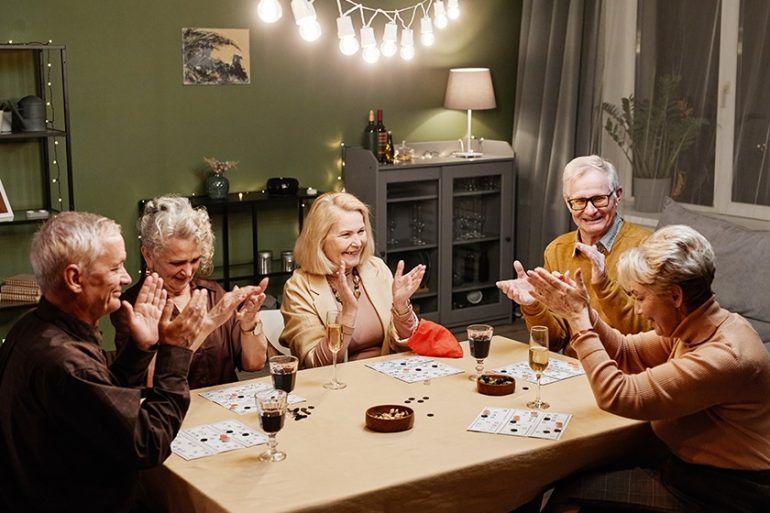
Bingo has suffered from a long-standing public relations problem. Mention the game, and the immediate image that springs to mind is a hushed, sterile community center hall filled with folding tables, fluorescent lighting, and a crowd rigorously dedicated to absolute silence while waiting for a monotonous voice to call out “B-12.” While this traditional structure has sustained the game for decades, it is hardly the formula for a vibrant, high-energy social event.
However, the core mechanics of bingo—the anticipation, the visual tracking, the sudden rush of a win—are inherently engaging. The issue is not the game itself; it is the atmosphere surrounding it. By dismantling the rigid traditions of the past and injecting modern, interactive elements into the structure, organizers can completely transform the experience. Whether you are hosting a local fundraiser, a corporate team-building event, or a weekend gathering at a neighborhood pub, reinventing bingo requires a shift in focus from mere numbers to immersive entertainment.
Thematic Overhauls: Setting the Stage for Engagement
The fastest way to kill the energy of a room is to hand people standard, black-and-white paper cards and tell them to sit quietly. Establishing a strong, cohesive theme changes the entire psychological approach to the evening. A theme dictates the decor, the dress code, the music, and the attitude of the caller, instantly elevating the event from a passive game to an active experience.
Decade-Driven Nostalgia
Leaning into a specific decade is a reliable way to generate immediate enthusiasm. An 80s retro night, for example, allows organizers to swap out the standard background hum for a booming synth-pop soundtrack. The bingo caller can lean into the aesthetic with neon apparel and era-appropriate slang. Encourage attendees to arrive in costume, and suddenly the act of sitting and playing becomes secondary to the social environment. The key is total commitment to the aesthetic; the music, the lighting, and even the design of the physical bingo cards should reflect the chosen era.
Pop Culture and Cinematic Integration
Replacing traditional numbers with cultural touchstones drastically increases the engagement level. Instead of calling out B-4, the caller draws a card featuring a famous movie quote, a recognizable brand logo, or a snippet of a popular television theme song. Musical Bingo has proven exceptionally popular in recent years. In this variation, players receive cards populated with song titles and artists. The caller—acting more as a DJ—plays fifteen to twenty seconds of a track, and players must identify the song and mark it on their board. This eliminates the monotonous calling of numbers and replaces it with a communal, often raucous, guessing game.
The Art of the Call: Redefining the MC Role
In traditional settings, the bingo caller is an administrative position—someone who simply reads the balls as they emerge from the cage. If you want an exciting event, this role must be recast. The person holding the microphone is not a referee; they are a master of ceremonies, an entertainer, and the primary driver of the room’s energy.
The caller should be actively engaging with the audience, making off-the-cuff remarks, and controlling the pacing of the game. A skilled MC knows when to speed up the calls to build tension and when to pause to let the anticipation hang in the room when multiple people are down to a single square.
Introducing Call-and-Response Dynamics
To break the silence, integrate call-and-response mechanics into the gameplay. This tradition borrows heavily from the British bingo hall culture, where specific numbers have assigned rhymes or jokes (such as “Two fat ladies, 88” or “Legs eleven”). While those specific examples might not resonate with an American audience, the concept is highly adaptable. Create customized responses tied to your event’s theme. If it is a Halloween-themed night, drawing a number ending in 13 could require the entire room to let out a collective howl before they are allowed to mark their cards. This active participation shatters the passive nature of the game and forces attendees to interact with the environment.
Restructuring the Rewards: Moving Beyond Cash
While cash prizes are universally appreciated, they lack narrative weight. If someone wins fifty dollars, they put it in their wallet and forget about it. To make the night memorable, the prize structure needs to be creative, highly desirable, or wonderfully absurd.
The Tiered Prize Strategy
Instead of standard payouts, build a narrative around the prizes that escalates throughout the evening. Early rounds should feature gag gifts or highly specific, quirky items—think vintage velvet paintings, massive inflatable pool toys, or overly complex kitchen gadgets. These strange rewards generate laughter and serve as fantastic conversation starters among the tables. As the night progresses toward the final, blackout round, the prizes must pivot to items of genuine, high-quality value. Experiences often play better than physical items; offering a private chef experience, premium concert tickets, or a weekend cabin rental creates a far more intense competitive atmosphere than a simple cash pot.
The Element of Choice and Consequence
Add a layer of psychological tension by introducing the “Mystery Box” mechanic. When a player shouts bingo, they are brought to the front of the room and presented with a choice: take the visible, guaranteed prize sitting on the table, or trade it for whatever is hidden inside a sealed box. The visible prize should be good enough to make the decision difficult. The hidden prize could be vastly superior—like a new television—or it could be a complete dud, such as a can of spam and a single tube of socks. The audience will inevitably get involved, shouting contradictory advice, which spikes the energy in the room and turns the prize collection into a spectacle.
Disrupting the Gameplay Mechanics
Standard bingo—aiming for a single straight line—can become repetitive if played exclusively for two hours. To maintain interest, you must alter the geometry of the win.
Introduce complex patterns that require players to pay closer attention. Move beyond the standard vertical and horizontal lines. Require a “postage stamp” (a two-by-two square in any corner), a “kite” (a diagonal line with a cluster in the corner), or trace the outline of a specific letter on the board.
Implementation of the ‘Sabotage’ Mechanic
For a more competitive and slightly ruthless crowd, introduce the concept of the sabotage card. At the beginning of the night, every table can purchase one sabotage token. If another table is getting too close to a win, a team can play their token to force a specific action—such as requiring the caller to put the last three drawn numbers back into the cage, or forcing the leading player to trade cards with someone else at their table. This mechanic introduces a level of strategy and playful hostility that completely upends the solitary nature of traditional bingo.
By treating bingo not as a rigid tradition to be upheld, but as a flexible framework for entertainment, organizers can build an event that appeals to a modern, dynamic audience. It requires stepping away from the folding tables, turning up the volume, and recognizing that the goal is no longer just to fill a card, but to orchestrate a memorable, high-stakes social experience.
