
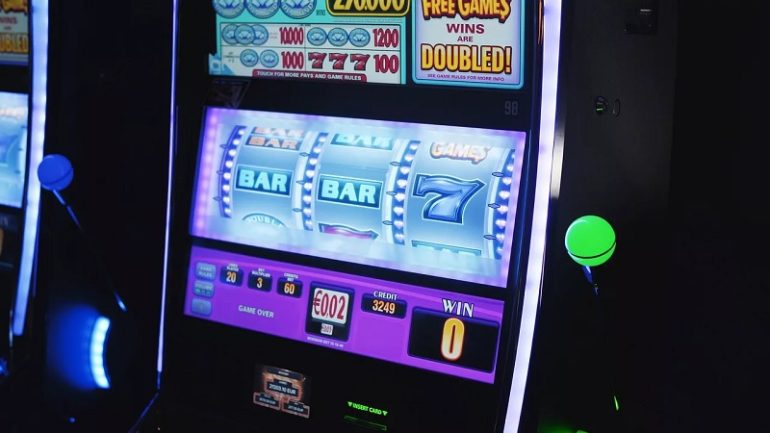
For decades, the casino floor was defined by the mechanical clatter of physical slot machines. Early gamblers pulled heavy metal levers to set physical cogs and springs into motion, hoping the massive drums would align on a winning combination. In that era, the mechanics of a win were entirely visible and bound by the physical limitations of the hardware. Today, those heavy levers are largely ornamental, and the physical drums have been replaced by high-definition screens. The modern slot machine is essentially a highly specialized, heavily regulated computer, and the heartbeat of this entire digital ecosystem is a complex piece of software known as a Random Number Generator.
Understanding the mechanics of a Random Number Generator is the most critical step a player can take to protect their bankroll and establish realistic expectations on the casino floor. Far too many consumers approach digital slot machines with a fundamental misunderstanding of how the outcomes are determined. This lack of knowledge breeds damaging superstitions, false strategies, and the inevitable frustration of chasing losses. To truly understand modern digital wagering, you must look past the flashing lights and spinning graphics to examine the mathematical engine operating behind the glass.
The Invisible Engine: What is a Random Number Generator?
At its core, a Random Number Generator (RNG) is a microprocessor running a highly complex algorithm designed to produce a continuous stream of numerical values that lack any discernible pattern. In the context of a modern slot machine, the specific technology utilized is a Pseudo-Random Number Generator (PRNG).
The term “pseudo” is used because computers, by their very nature, are logical machines designed to follow instructions. They cannot produce true, organic randomness out of thin air. Instead, a PRNG relies on an initial starting point, known as a seed value. The algorithm takes this seed value and applies a massive, complex mathematical equation to it to produce a new number. That new number then becomes the seed value for the next calculation. This process happens at an incomprehensible speed, generating thousands to millions of distinct numbers every single second.
Crucially, the RNG does not sleep. Even when a slot machine is sitting idle on the casino floor with no player in the seat, the microprocessor is continuously churning out thousands of numbers per second. It only stops when a player initiates an action, capturing the exact string of numbers generated at that precise millisecond.
The Millisecond of Decision: How a Spin is Actually Resolved
The most persistent illusion in casino gaming is the spinning of the virtual reels. When you sit down at a modern slot machine, insert your money, and press the spin button, the screen erupts into a flurry of animation. You watch the first reel lock into place, then the second, as the music swells to build anticipation for the final symbol.
From a technological standpoint, this entire visual display is pure theater. The outcome of your wager is not determined by the spinning reels; it is determined the exact millisecond your finger presses the button.
When you hit spin, the machine sends a signal to the RNG to freeze on the exact numbers being generated at that fractional moment in time. The software then takes those raw numbers and maps them onto a virtual reel strip. For example, if you are playing a three-reel slot machine, the RNG will capture three distinct numbers. The first number dictates the exact position of the first virtual reel, the second number dictates the second reel, and the third dictates the final reel. Before the animation of the spinning symbols even begins on your screen, the internal computer already knows exactly how much you have won or lost. The spinning graphics exist solely to provide entertainment value and build psychological suspense.
The Concept of Virtual Mapping
To understand how the casino maintains an edge while using random numbers, you must understand virtual mapping. On a vintage mechanical slot machine, if a physical reel had twenty symbols, each symbol had an equal one-in-twenty chance of landing on the payline. Digital slots are not bound by physical space.
A modern slot machine uses virtual stops. While the visual reel on the screen might only show twenty symbols, the internal computer program might have two hundred virtual stops mapped to that reel. The algorithm weights these stops heavily in favor of the house. The blank spaces or low-paying symbols might have fifty virtual stops assigned to them, meaning the RNG will select them frequently. The massive jackpot symbol might only have one virtual stop assigned to it out of those two hundred. The RNG selects a number with total neutrality, but the virtual map ensures that the highest-paying symbols appear with mathematical rarity.
The Mathematics of the House Edge: RTP and Volatility
Because the RNG ensures total unpredictability on a spin-by-spin basis, players often wonder how casinos can guarantee their profit margins. The answer lies in the massive volume of spins and the mathematical concepts of Return to Player (RTP) and volatility.
The RTP is a programmed, theoretical percentage of all wagered money that a slot machine will pay back to players over its lifetime. If a digital slot machine is programmed with a 95% RTP, it is designed to hold five cents of every dollar wagered for the house, returning ninety-five cents to the player base. However, this percentage is calculated over millions of spins, not over a single hour-long session. The RNG executes the spins randomly, but because the virtual reel stops are weighted, the mathematical law of large numbers guarantees that the machine will eventually hit its programmed RTP.
Volatility dictates how that RTP is distributed to the players. A high-volatility slot machine is programmed with fewer winning virtual stops, meaning players will experience long losing streaks, but the eventual payouts will be massive. A low-volatility machine is mapped with many low-paying virtual stops, providing frequent, small payouts that keep the player’s bankroll relatively stable but rarely trigger massive jackpots. The RNG does not change its behavior based on volatility; the virtual mapping of the numbers simply dictates the payout structure.
Shattering the Gambler’s Fallacy
A deep understanding of the RNG completely dismantles the most common myths associated with slot machines, primarily the Gambler’s Fallacy. This is the erroneous belief that past events can influence future outcomes in a random sequence.
Because an RNG is a memoryless system, it does not know if it just paid out a massive jackpot, nor does it know if a player has been losing for three straight hours. Every single press of the button is an entirely independent event with the exact same mathematical probabilities as the spin before it. A slot machine is never “due” to hit, nor can it run “hot” or “cold.” If the odds of hitting the grand jackpot are one in a million, the odds remain exactly one in a million on the very next spin, even if the jackpot was just triggered seconds prior.
Furthermore, the idea of timing the button press to stop the reels early has no impact on the outcome. Pressing the button a second time to force the reels to stop spinning does not change the result; it merely skips the visual animation and immediately displays the outcome that was already determined by the RNG the moment you initiated the spin.
Ensuring Fairness: The Regulatory Oversight of RNG Technology
When players realize that their fate rests entirely in the hands of a microscopic computer chip, a natural suspicion arises regarding fairness. How can the public be sure that the casino has not programmed the RNG to cheat?
In regulated gaming jurisdictions, slot machine algorithms are subject to intense scrutiny. Independent third-party testing laboratories, such as Gaming Laboratories International (GLI) or BMM Testlabs, physically and digitally audit the PRNG algorithms before a machine is ever allowed on a casino floor. These engineers run millions of simulated spins through the software to verify that the outcomes are statistically random and that the machine hits its stated RTP accurately without any hidden biases.
Once the software is approved, it is sealed using cryptographic hashes. If a casino operator attempts to alter the code to manipulate the RNG in their favor, the digital seal breaks, immediately alerting state gaming control boards. The penalties for tampering with regulated gaming software include massive fines, criminal prosecution, and the permanent revocation of a gaming license.
Accepting the uncompromising reality of the Random Number Generator is essential for navigating modern casino entertainment. It strips away the illusion of control and replaces it with mathematical clarity. By recognizing that every spin is an independent, lightning-fast calculation completely immune to player intervention or historical trends, you can approach the digital casino floor with the discipline required to treat the games as pure entertainment rather than a predictable source of income.
